Capacity, zones, single or three phase, roof space and duct runs set the price of a ducted system, and at 14 kW the models we install are $328 a year apart to run. Here is what moves each one.
Why two ducted quotes for the same house can be so far apart
A ducted system is not one product with one price.
Between the 23 ducted ranges we install, from 3.6 kW to 25 kW, the price of the job is set by five things: the capacity the house actually needs, how many zones you want, whether your switchboard is single or three phase, what the roof space allows, and how far the ducts have to run.
Two of those are about your home, not the brand on the box, which is why a number quoted without seeing the house is a guess.
We do not publish installed prices, and the installation cost guide explains why: the install is where the money sits. What we can do is show you exactly what moves it, and what a ducted system costs to run once it is in, from the official energy figures.
Capacity: sized to the heat load, not the floor area
Residential ducted systems in our range run from 3.6 kW (Panasonic's Adaptive; Daikin, Mitsubishi Electric, Toshiba, Fujitsu and MHI start at 5 kW) to 24 or 25 kW for very large homes. Capacity is the first thing that moves the price, and it is decided by heat load: orientation, glazing, insulation, ceiling height and the local climate, not square metres alone.
The local part matters in Sydney. Western Sydney runs hotter than the coast: the Bureau's Richmond station averages a 30.4 degree January maximum, and the western suburbs miss the sea breeze that caps the beaches, so the same floor plan needs more capacity in Western Sydney than on the Northern Beaches.
Undersize it and the system runs flat out and still loses the room; oversize it and you pay for capacity you never use. The calculator gives you a kW range from six questions.
Zones: fewer rooms running, more parts in the roof
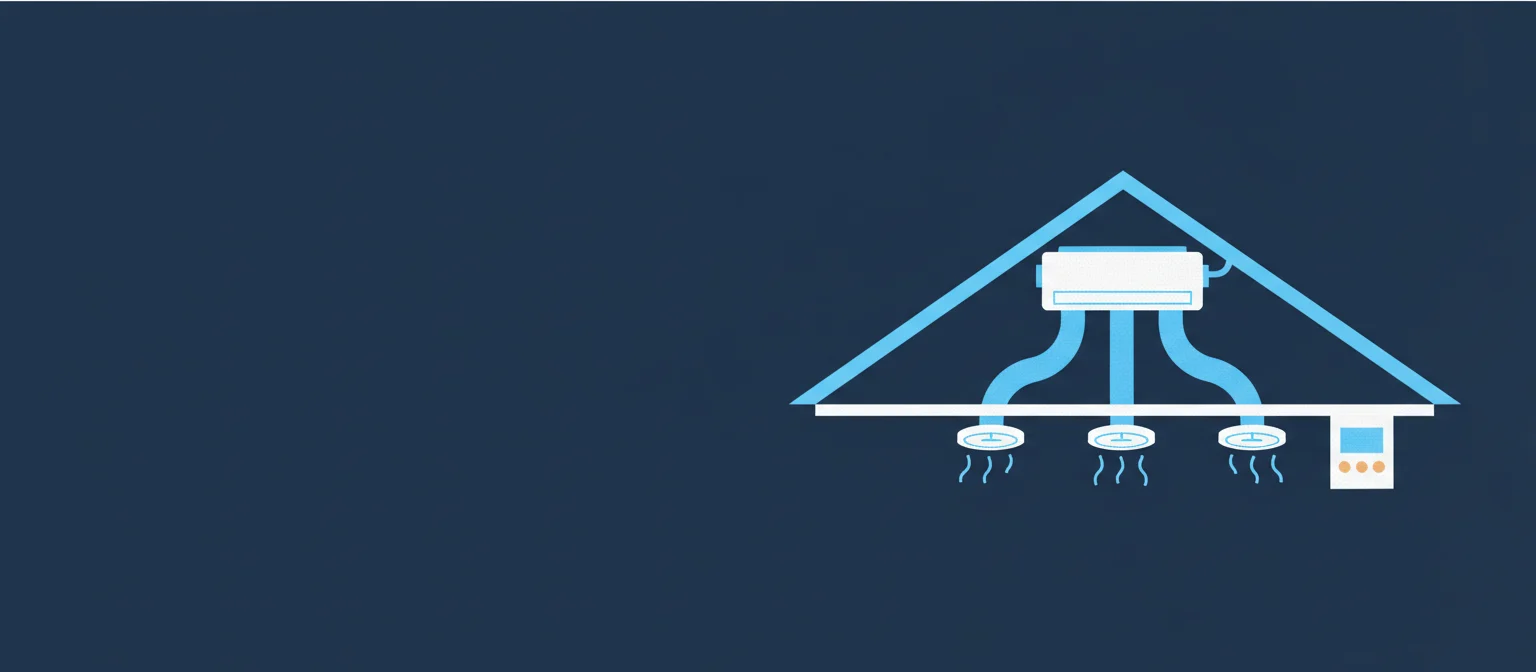
Zoning is what makes ducted cheaper to live with. Daikin's ducted ranges are designed around 4 or 8 zones, Panasonic's Premium Inverter ducted pairs with the CONEX zone controller, and most of the other brands offer similar.
Each zone is a motorised damper in the roof plus its wiring back to the controller, so eight zones cost more to install than four.
What you get back is the running cost. A zoned system only conditions the rooms in use: bedrooms at night, living areas by day. On a two-storey home that is the difference between cooling the whole house and cooling half of it.
We treat zone layout as part of system design, because a zone map that does not match how the family actually uses the house is money spent twice.
Single phase or three phase
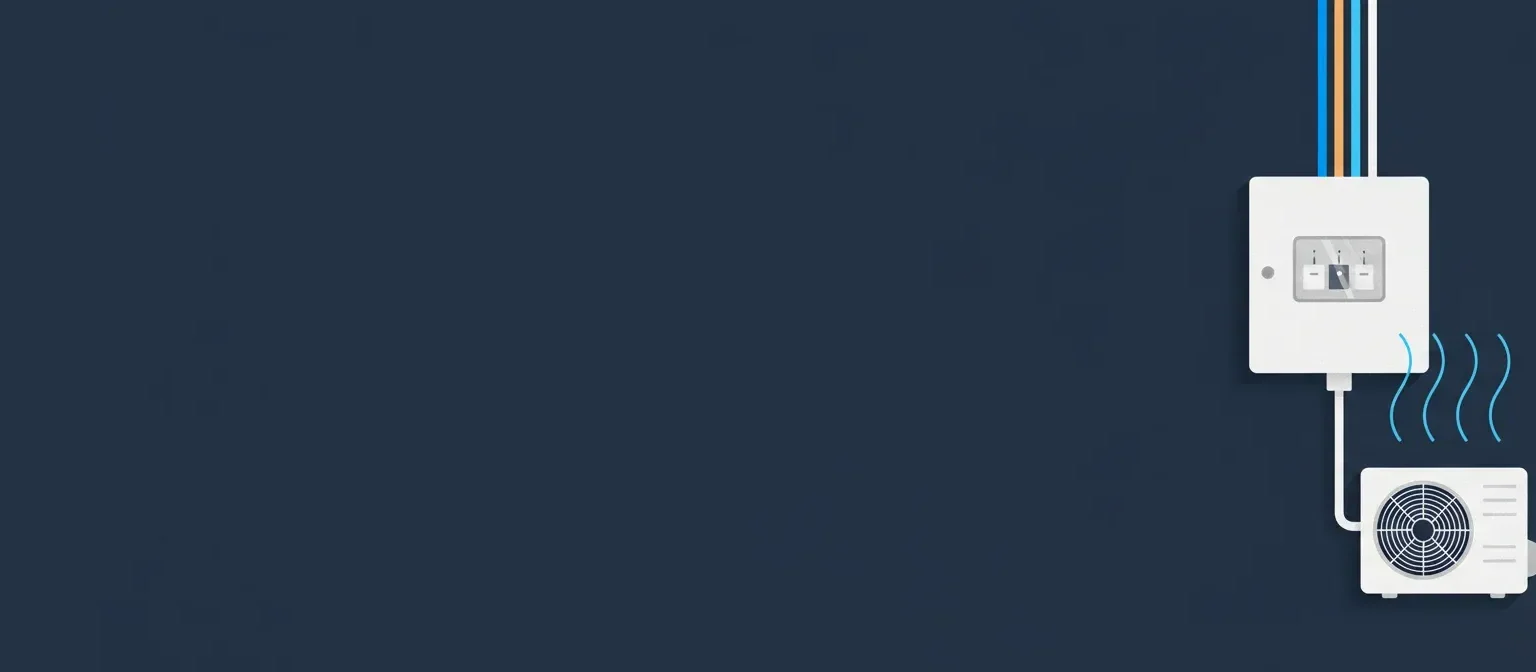
Most ducted systems up to about 17 kW run on the single-phase supply every Sydney home has. Carrier's QSH and QSM ducted are single phase across their whole range to 17 kW, and Rinnai's D Series is single phase from 7 to 18 kW.
Above that, three phase starts to appear: Rinnai's 20 and 24 kW models are three phase, and ActronAir's 19 to 21 kW ducted is three phase only.
If a big house needs a three-phase unit and the switchboard is single phase, the electrical work becomes part of the job, and it can be a large part. It is also the first thing we look at in your switchboard photo, because it changes which ranges are on the table before anything else is decided.
Roof space and static pressure
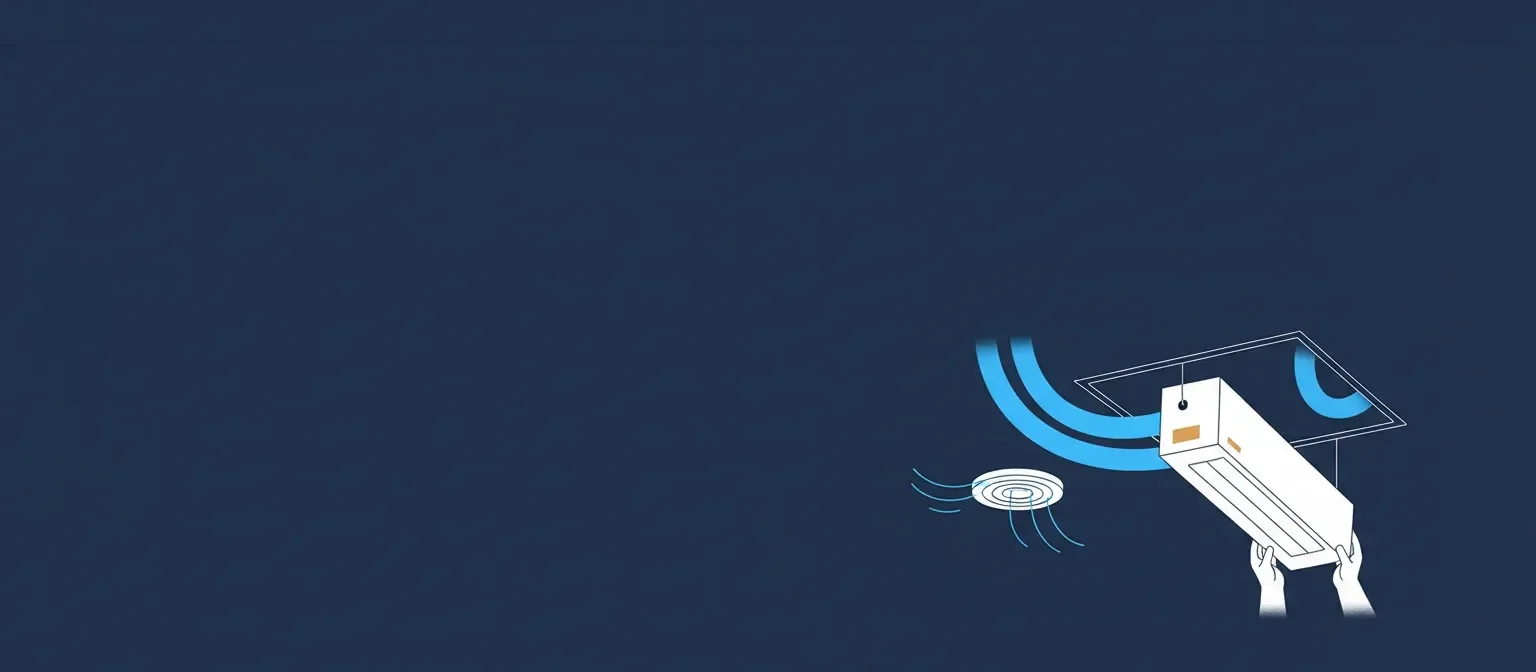
The indoor unit of a ducted system lives in the roof, and roofs differ. Low-clearance ceilings are why the slimline ranges exist: Daikin Slimline, Carrier QSM Slim Line, Samsung Compact Slimline, Fujitsu Mid Static Slimline and the MHI FDU are all built for roof spaces a standard unit will not fit.
Duct length is the other roof question. Long runs and many outlets need a fan that can push against more resistance, which is what "high static" means: Carrier's QSH high static ducted is rated to 200 Pa where the slim line stops at 160 Pa, and Fujitsu, Mitsubishi Electric and MHI each have a high-static range for the same reason.
A sprawling single-storey home with the unit at one end needs one; a compact two-storey with the unit in the middle usually does not. Getting into the roof space is also part of a ducted repair later on, which is worth knowing before you choose where the unit goes.
The cost that keeps running: what the GEMS figures say
Once it is in, a ducted system is the biggest item on a summer power bill, and the range between models at the same capacity is wider than most people expect.
These figures are the official GEMS registration test data for Sydney's climate zone, costed at the Sydney median electricity rate including GST (31.79 cents per kWh across 170 Ausgrid plans, September 2026).
At 14 kW, a common size for a family home, we stock 13 rated models. The most efficient in the official test, the Panasonic Adaptive ducted, uses 3,050 kWh a year for cooling and heating together, about $970 a year.
The least efficient at the same 14 kW uses 4,083 kWh, about $1,298 a year. Same size, same house, $328 a year apart, every year the system is in the roof. On the Endeavour network west of Parramatta the median rate is slightly lower, 30.65 cents, and the spread is much the same.
The gap grows with size:
- 10 kW: 14 rated models, $645 to $966 a year
- 14 kW: 13 models, $970 to $1,298
- 20 kW: five models, $1,507 to $2,134, a $627 gap
Heating counts too: the Rinnai D Series at 14 kW carries 4 cooling stars but 1.5 heating stars, so it is cheap in summer and among the dearer ones across a full year. Every model page on this site shows its own figure with the source and date, and the running costs guide explains how the numbers are built.
How to get a real number for your house
Start by sending us photos: the roof space (hatch open, phone held in), the switchboard with the cover off, the ceiling where outlets would go, and a rough floor plan with the rooms you want zoned.
Those photos show which of the 23 ranges fit your roof, your switchboard and your budget. Some jobs we can price from them alone; others need a site visit first. Either way, the fixed price is in writing before any work starts.
Start a quote or call, and if you already know the capacity you are after, the model pages list every size we install with its running cost beside it.
Sources
- GEMS registered air conditioners dataset (E3 program), data.gov.au, CC BY 3.0: the annual kWh and star ratings, synced 1 September 2026
- Energy Rating, energyrating.gov.au: how the zoned star rating is tested for Sydney's climate zone
- Energy Made Easy, the AER's plan data: the median usage rate across 170 Ausgrid and 162 Endeavour plans, September 2026, with GST added
- Bureau of Meteorology climate averages, Richmond RAAF station 067105: the January maximum
- Manufacturer specification sheets for the ducted ranges named above, collected on our manuals and brochures page